
Advancing understanding and action for a sustainable planet
1. Concept of greenhouse gases
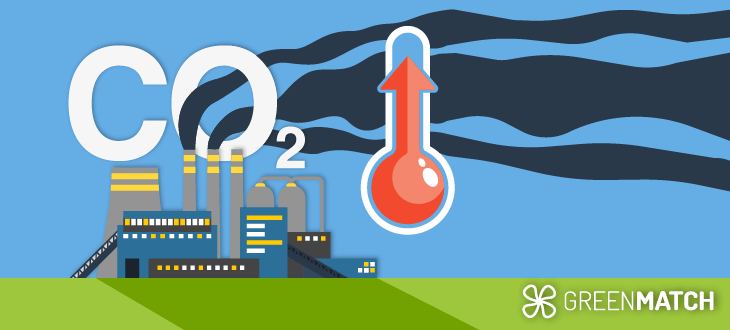
Greenhouse gases (GHGs) are gases capable of absorbing and emitting radiation in the infrared range, causing the greenhouse effect – the phenomenon of heat retention in the Earth’s atmosphere. Thanks to the natural greenhouse effect, the Earth maintains the right temperature for life. However, human activities in modern times have increased the concentration of greenhouse gases, contributing to global climate change.
1.1. Main greenhouse gases
- Carbon dioxide (CO₂): It is the most common greenhouse gas, mainly arising from the burning of fossil fuels (coal, oil, gas), cement production, logging, land use and other industrial activities.
- Methane (CH₄): Produced by the digestive system of ruminants (cows, sheep, etc.), decomposes organic matter in anaerobic conditions (rice fields, landfills, swamps), oil and gas and coal mining.
- Nitrous oxide (N₂O): Derived from the use of chemical fertilizers in agriculture, wastewater treatment, fuel combustion, and some industrial activities.
- CFCs, HFCs and PFCs: These are man-made greenhouse gases, capable of causing a greenhouse effect thousands of times stronger than CO₂. They are mainly found in the refrigeration industry, air conditioning, foam production, and some industrial processes.
- Water vapor (H₂O): Plays the most important role in the natural greenhouse effect, but is not the main cause of human-caused climate change because the water cycle is relatively fast.
1.2. Role and impact of greenhouse gases
Greenhouse gases retain heat on Earth, helping to maintain the right temperature for life to thrive. However, when the content of these gases increases dramatically due to production, transportation, agriculture, livestock, etc. The amount of heat retained also increases, causing global warming.
Some typical impacts:
- Increase in global average temperatures.
- Weather changes, the climate is more extreme.
- Thawing at the poles, sea levels rising.
- Negative impacts on agriculture, biodiversity, human health, and ecosystems.
1.3. Why is it necessary to be aware of greenhouse gases?
Correct awareness of greenhouse gases helps each individual and organization understand the connection between daily activities and climate change, thereby proactively changing behavior, optimizing production processes, using clean energy sources, reducing emissions, and joining hands to protect the living environment.
2. Greenhouse Gas Awareness Training Course
Greenhouse Gas Awareness Training is a program that aims to provide basic and advanced knowledge about GHGs, their impacts as well as emission reduction measures, helping students actively participate in the global climate change mitigation.
2.1. Participants
- Employees and officials at enterprises, factories and industrial parks.
- Students majoring in environment, engineering, and resource management.
- Managers, government officials, and social organizations.
- People care about the environment and sustainable development.
2.2. Objectives of the training course
- Equipped with an overview of greenhouse gases and climate change.
- Understand the causes and sources of GHG emissions in production and life.
- Grasp methods and tools for inventory, monitoring and reporting KNK emissions.
- Propose and apply appropriate emission reduction solutions at the workplace and daily life.
- Develop environmentally friendly thinking and behavior.
2.3. Detailed content of the course
The training course usually lasts from 1-3 days, can be studied in person or online, including the following topics:
- Topic 1: Overview of greenhouse gases and climate change
- Definition and classification of greenhouse gases.
- The formation process and life cycle of KNK.
- Natural and artificial greenhouse effect.
- The impact of climate change on the economy, society and the environment.
Topic 2: Sources of greenhouse gas emissions
Analysis of major emission sources: energy, transportation, agriculture, industry, waste.
The role of each sector/sector in total emissions.
Value chain analysis and emission improvement points.
Topic 3: Measurement, reporting and monitoring of GHG emissions
Greenhouse Gas Inventory (GHG Inventory) method.
International standards (ISO 14064, GHG Protocol, IPCC Guidelines).
Tools, instrumentation, data, and reporting.
Introduction of emission management software and systems.
Topic 4: Solutions to reduce greenhouse gas emissions
Energy saving, using renewable energy.
Change the production process, apply clean technology.
Waste management, recycling and reuse measures.
Changing consumption habits and green lifestyles.
Encourage and build an environmentally friendly organizational culture.
Topic 5: Practice and Practical Situations
Analyze and solve the emission situation at specific enterprises and organizations.
Practice inventory and propose solutions to reduce emissions.
2.4. Training methods
- Combining theory and practice, practical case exercises.
- Group discussion, exchange of experiences between students and lecturers.
- Share successful models from domestic and foreign businesses and organizations.
- Evaluate learning outcomes through tests, presentations, or group projects.
2.5. Post-Course Benefits
- Understand the impact of greenhouse gases and be aware of personal and organizational responsibilities for climate change.
- Grasp practical tools and methods for inventory and GHG emission reduction.
- Apply solutions to reduce emissions at the workplace and daily activities.
- Contributing to building a “green” organization, improving prestige, and meeting international standards on the environment.
- Expand career opportunities in the field of environmental management and sustainable development.
Awareness of greenhouse gases and climate change is an urgent requirement for all individuals and organizations in today’s society. Participating in greenhouse gas awareness training courses not only helps to equip knowledge and skills, but also contributes to changing behavior, promoting green economic development, and protecting a sustainable living environment for future generations.


No responses yet