Ensuring safety and sustainability for the global textile industry
The Oekotex standard, also known as OEKO-TEX®, is a prominent international certification system in the textile and footwear industry, with the main goal of ensuring consumer safety as well as promoting sustainable development in production. Founded in 1992 by the Hohenstein Research Institute (Germany) and the Swiss Textile Research Institute, Oekotex has become one of the world’s most prestigious certification marks for textile quality control and safety.
1. Introduction to the Oekotex standard
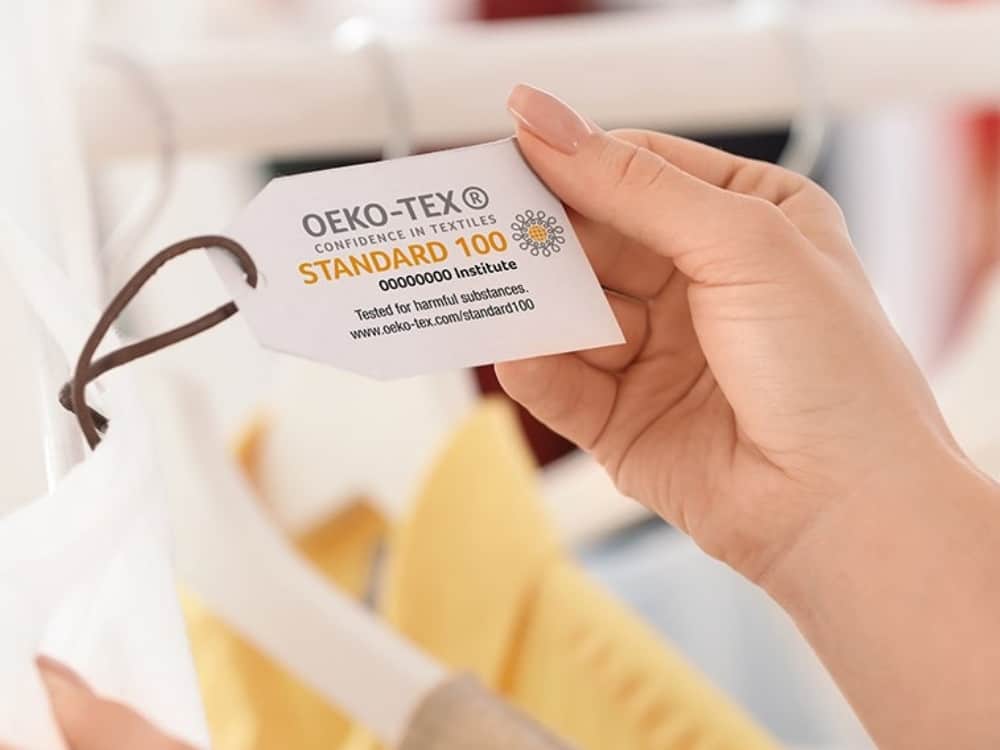
OEKO-TEX® stands for “International Association for Research and Testing in the Field of Textile and Leather Ecology”. It is an international association dedicated to the research and testing of textile and leather products in terms of ecology, health safety and environmental impact. The Oekotex standard focuses on the control of toxic chemicals that can harm consumer health throughout the life cycle of a product.
2. Oekotex Certification System
OEKO-TEX® develops a variety of certification standards to meet the diverse needs of the textile and leather industry, the most common of which are:
- OEKO-TEX® Standard 100: Applied to finished and semi-finished textile products such as fabrics, threads, zippers, buttons, etc. This standard strictly controls the content of hazardous chemicals based on the list of substances that are restricted from use according to international regulations and updated regularly.
- OEKO-TEX® STeP (Sustainable Textile & Leather Production): Certification for sustainable production processes, evaluation of the entire production chain from input materials, chemicals used, energy consumption, wastewater treatment to working conditions.
- OEKO-TEX® Made in Green: A certification label for products that are environmentally friendly and have safe and transparent working conditions throughout the entire supply chain.
- OEKO-TEX® Leather Standard: Applies exclusively to leather products, controls hazardous chemicals and meets the same safety requirements as Standard 100.
- OEKO-TEX® Eco Passport: For chemicals, pigments, additives used in the textile and leather industry, ensuring that they do not contain harmful ingredients.
- OEKO-TEX® Detox to Zero: Supporting businesses to control and minimize the emission of toxic chemicals, contributing to environmental protection.
3. Assessment and certification process
To achieve OEKO-TEX® certification, businesses need to undergo a comprehensive inspection process, including:
- Send a sample of the product, auxiliary material or chemical to an authorized laboratory of OEKO-TEX® for analytical testing.
- Detailed inspection on hundreds of chemical indicators, including heavy metals, azo dyes, allergens, substances banned from use under the REACH, CPSIA list and other regulations.
- Evaluation of production processes (for certifications such as STeP, Made in Green), traceability, and social responsibility.
- Inspections are conducted regularly once a year to maintain the validity of the certification.
4. Meaning and benefits of Oekotex standard
Owning OEKO-TEX® certification brings many benefits to businesses, consumers and the environment:
- For businesses: Improve brand reputation, expand export markets, meet the strict requirements of international markets (Europe, the US, Japan, etc.), minimize the risk of product recalls, increase competitiveness.
- For consumers: Ensure health when using textile and leather products because they have been strictly controlled for toxic chemicals.
- For the environment: Promote green production, control and reduce the amount of toxic chemicals discharged into the environment, contributing to the protection of the ecosystem.
5. Subjects of application of Oekotex
The OEKO-TEX® system applies to a wide range of products, including:
- Apparel for Kids and Adults
- Underwear, socks, fashion accessories
- Fabric furniture such as curtains, tablecloths, bed sheets
- Interior decoration materials, carpets, curtains
- Leather products, bags, shoes
- Raw materials, chemicals, yarns, threads, accessories for the textile industry
6. Levels and classifications of testing
The OEKO-TEX® Standard 100 standard divides the level of testing into 4 main product groups, according to the level of skin contact:
- Group I: Products for infants and young children up to 36 months old (highest safety).
- Group II: Products in direct contact with the skin (T-shirts, underwear, etc.).
- Group III: Products that do not come into direct contact with the skin (jackets, coats, etc.)
- Group IV: Interior decoration materials (curtains, tablecloths…)
7. Trends and role of Oekotex in sustainable development
In the context of consumers’ increasing concern about health and the environment, standards such as OEKO-TEX® are increasingly valued, and are an effective tool for businesses to affirm social responsibility and sustainable development. Many major fashion corporations around the world have adopted OEKO-TEX® as a mandatory requirement for their supply chains to minimize risks and ensure information transparency.
The Oekotex standard is not only a “green passport” for textiles and leather products in the global market, but also a strong commitment to public health, environmental protection and the promotion of sustainable production. The application of OEKO-TEX® will be an inevitable trend to help Vietnam’s textile, garment and footwear industry reach out to the world, meeting the increasing needs of modern consumers.

No responses yet