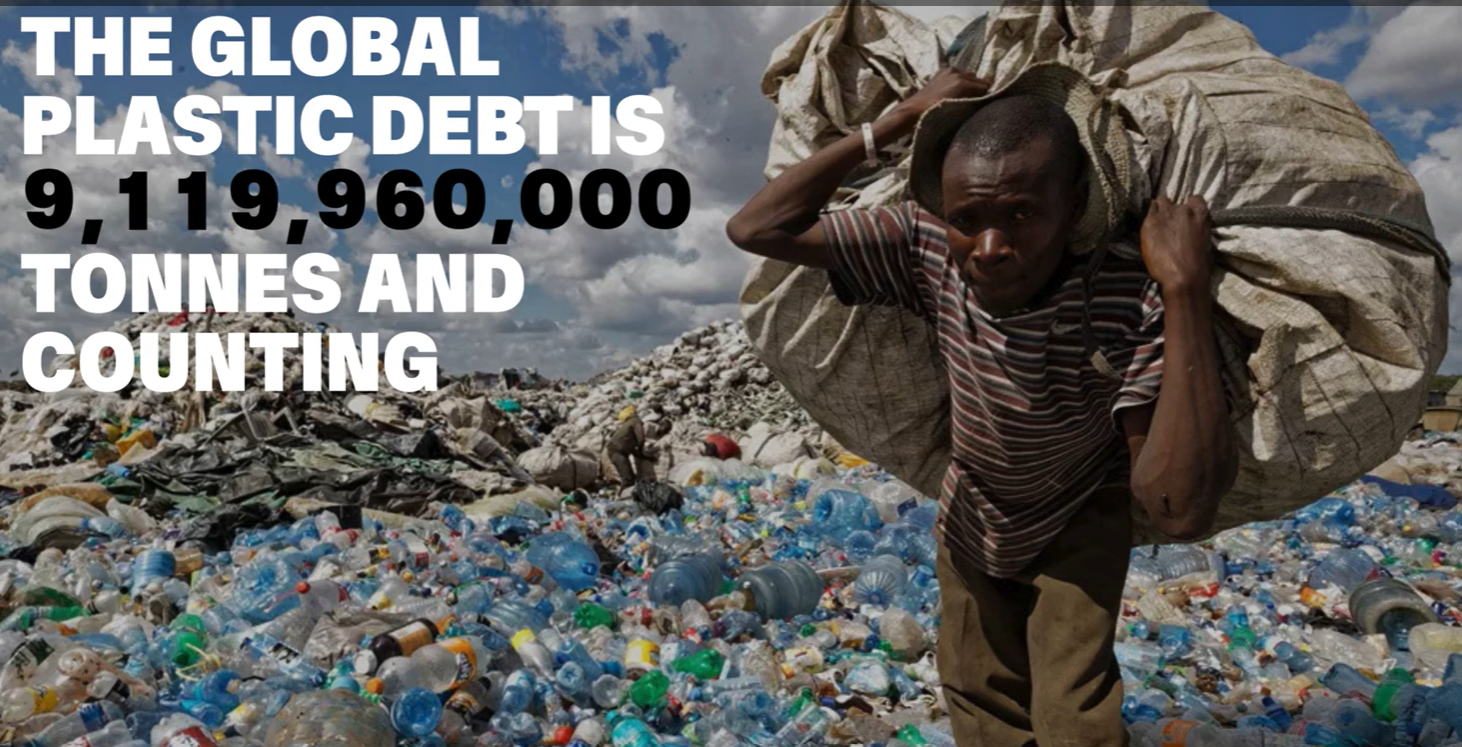
Plastic pollution is one of the defining environmental challenges of our time. As export markets, global brands and regulators tighten expectations around packaging, the circular economy and Extended Producer Responsibility (EPR), the PPRS — Plastic Pollution Reduction Standard has emerged as a credible way for companies to demonstrate measurable, independently verified action on plastic waste.
This guide explains what PPRS is, how plastic credits work, the certification levels available, the verification process, and how manufacturers in Vietnam and beyond can prepare for it.
What is PPRS?
PPRS stands for the Plastic Pollution Reduction Standard. It is a voluntary international standard that provides a framework for implementing a credible, verifiable plastic offsetting and plastic credit program.
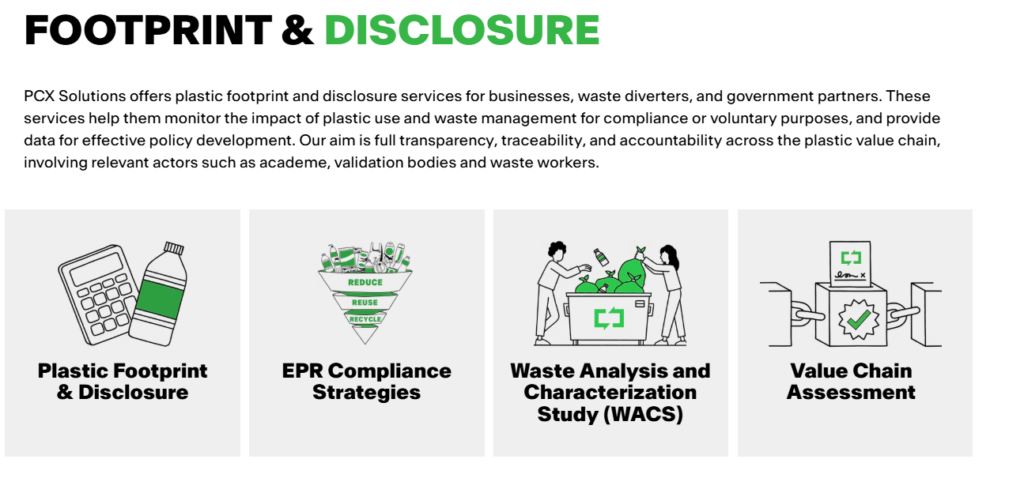
The standard is developed and managed by the non-profit organisation PCX Solutions (formerly Plastic Credit Exchange). PCX Solutions was the first organisation in the world to establish a fully transparent, third-party audited standard for reducing and offsetting plastic waste, ensuring the impact and accountability of plastic waste projects.
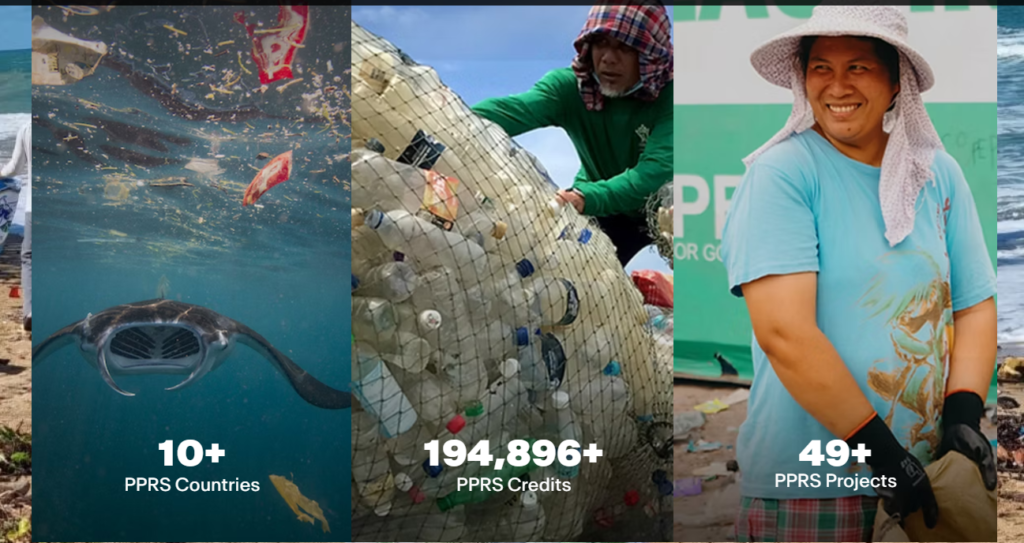
At its core, PPRS underpins a transparent system for physically collecting, transporting and processing plastic waste so that it does not leak into nature — rivers, coastlines and oceans — and is brought back into the value chain.
A brief history of the standard
PPRS was first published in April 2020, giving the world its first clear, rigorous, public framework for registering plastic clean-up projects globally.
Since then it has been reviewed and updated regularly. The latest version is PPRS Version 8 (released in 2024), which strengthened the standard by:
- Harmonising key technical terms with globally accepted definitions.
- Expanding Environmental and Social Safeguards.
- Adopting a regional baseline approach for determining additionality.
- Elaborating project registration processes and the Validation & Verification model.
- Linking credit verification and issuance to the blockchain-based PPRS Registry.
- Transitioning “Net Zero Plastic Waste” claims toward self-declared claims aligned with ISO 14021:2016 and the UNEP Guidelines for Providing Product Sustainability Information.
PPRS is also recognised within the PREVENT Waste Alliance’s Guidelines on Minimum Requirements for Plastic Waste Recovery & Crediting Standards, an initiative supported by the German Federal Ministry for Economic Cooperation and Development (BMZ).
How plastic credits work
Plastic credits operate much like carbon credits: each credit is a quantified unit of plastic waste that has been collected, recycled or otherwise removed from the environment.
Under PPRS, a registered project can generate one plastic credit for every metric ton of post-consumer plastic waste that has documented collection and End-of-Waste processing. Companies with a plastic footprint can then purchase credits to offset the plastic their products or packaging place on the market — based on the “polluter pays” principle.
Key roles in the PPRS system
- Project Partner — collects and processes plastic; generates credits.
- Brand Partner / Plastic Credit Buyer — purchases credits to offset their plastic footprint.
- Validation and Verification Body (VVB) — an independent third party approved by PCX Solutions to assess conformity with PPRS. Accredited VVBs include reputable certification bodies such as Control Union, SGS and TÜV SÜD.
- Aggregators and Processors — collect and treat post-consumer plastic waste.
The credit issuance process
- Collection and processing of plastic waste in line with PPRS requirements.
- Submission of chain-of-custody documents to the PPRS Registry.
- PCX Solutions reviews completeness, then forwards records to an independent VVB for impact verification.
- On positive verification, each eligible ton receives a unique serial number.
- A Plastic Credit Certificate (PCC) is issued, transferring ownership to the buyer.
- Project registration is valid for five years, supported by VVB conformity assessment.
PPRS certification levels (Plastic Reduction Goals)
PPRS defines commitment levels under Plastic Reduction Goals (PRG), letting companies choose a pathway that fits their ambition:
- Plastic Neutral — offset a volume of plastic equal to what is placed on the market.
- Plastic Negative — collect and process more plastic than is generated.
- Plastic Free — work toward eliminating plastic from products/packaging.
Because they are independently verified, these levels help companies communicate sustainability commitments credibly and avoid greenwashing.
Foundational principles
PPRS is built on core principles that protect credibility: Conservativeness (a cautious approach when in doubt), Transparency and Traceability, Additionality (genuine, additional impact in areas of high plastic mismanagement), Policy Interactions (alignment with EPR, applying the stricter of EPR or PPRS where both exist), and Continuous Improvement.
Why PPRS matters for manufacturers
- Brand value — a verified commitment to reducing plastic waste builds trust with environmentally conscious customers.
- Regulatory readiness — as governments tighten plastic rules, PPRS keeps companies ahead on compliance and innovation.
- Competitive advantage — differentiation in export markets and global supply chains.
- EPR alignment — complements Extended Producer Responsibility schemes.
- Circular economy contribution — channels finance into recycling infrastructure and socio-economic benefits.
The Vietnam context
In Vietnam, the Law on Environmental Protection 2020 (Articles 54 and 55) and Decree 08/2022/ND-CP set out recycling and waste-collection responsibilities for producers and importers, with recycling obligations effective from 1 January 2024. Packaging — including plastic packaging — is a core category within the EPR scope.
PPRS is a voluntary standard that does not replace mandatory EPR obligations under Vietnamese law. Instead, a verified plastic-credit program can complement EPR strategy, strengthen ESG profiles and help suppliers meet the rising expectations of international buyers.
Frequently asked questions (FAQ)
Who owns the PPRS standard? PPRS is developed and managed by the non-profit PCX Solutions (formerly Plastic Credit Exchange), first published in April 2020.
What does one plastic credit represent? One plastic credit equals one metric ton of post-consumer plastic waste that has documented collection and End-of-Waste processing, verified by an independent body.
What certification levels does PPRS offer? Plastic Neutral, Plastic Negative and Plastic Free.
Does PPRS replace EPR obligations in Vietnam? No. PPRS is voluntary and complements — rather than replaces — mandatory EPR obligations under the Law on Environmental Protection 2020 and Decree 08/2022/ND-CP.
Who verifies PPRS? Independent Validation and Verification Bodies (VVBs) approved by PCX Solutions, such as Control Union, SGS and TÜV SÜD.
PPRS consulting, training and certification support
Our ESG specialists support manufacturers across the full PPRS journey — from plastic footprint assessment and data systems to awareness training and readiness for independent verification — and integrate PPRS with EPR, ISO 14001, EcoVadis and broader ESG programs. Bilingual (English–Vietnamese) support is available for both domestic and FDI manufacturers.
Contact us for a business consultation:
Hotline: +84 933 096 426 – +84 868 591 260
Email: info@iscglobal.asia | van.pham@iscglobal.asia
Website: iscglobal.asia | iscglobal.edu.vn
Contact us to download the bilingual English-Vietnamese PDF standard: from only $50
On the path toward integration and export, correctly understanding and applying international standards is essential. Yet language and technical terminology often pose real barriers. We are pleased to introduce our bilingual (English – Vietnamese) standards documentation service, translated by our own team of certification consultants.
What We Provide
• A clause-by-clause bilingual comparison, easy to consult and file.
• Professional Vietnamese translation in correct technical terminology, ready to use.
• Interpretation notes and application guidance from hands-on experts.
• Fast delivery in editable, easy-to-store PDF/Word format.
Standards Covered
ISO management systems (9001, 14001, 45001, 37001); sustainability certifications (ISCC, FSC, VFCS/PEFC); textiles and recycled materials (GRS, OCS, OEKO-TEX); social responsibility and ESG (SMETA, EcoVadis, Fairtrade), and many other industry standards upon request.
Why Choose Us
Our documents are translated by professionals who directly consult on and audit certifications, so the translation is accurate not only in language but also in real-world application — saving you time and reducing errors when preparing documentation.
Pricing
From only USD 50 per document, depending on length and complexity. Please send us the standard name to receive a free, accurate quotation.
How to Order
1. Contact us with the name of the standard you need.
2. Receive a quotation and delivery time.
3. Make payment and receive your document by email.
Payment
Bank transfer via QR code (provided with the quotation), or via PayPal: ducluongservices@gmail.com.
We look forward to accompanying you on your certification journey.
Best regards,
CONTACT INFORMATION
ISC Global
Hotline: +84 933 096 426 – +84 868 591 260
Email: info@iscglobal.asia
Website: iscglobal.asia | iscglobal.edu.vn
No responses yet